A housewarming gift has a much better chance of being used when you can answer three questions before buying it: where will it live, when will it be used and who will use it?
Start with the household's routines rather than a generic idea of what a new home "should" contain. Rule out anything that creates an awkward space, style or setup burden. Then decide how practical, playful or personal the gift can be without turning it into somebody else's new obligation.
If you cannot picture its first use, the shiny packaging may be doing too much of the decision-making. Here is the field guide for getting back on track.
Read the household before reading the gift labels
A housewarming celebrates a home, but the recipient might be one person, a couple, a family or several housemates sharing a kitchen and arguing politely about fridge space. Establish who the gift is for before choosing what it does.
This matters because recipient fit and household fit are not always identical. A shared game can suit the whole home. A desk accessory may be intended for one resident. A decorative object given to one person can still occupy everybody's lounge room. That distinction is small on paper and surprisingly large once the gift needs somewhere to live.
Useful signs are often hiding in ordinary conversation:
- They keep mentioning an annoying task or missing household item.
- They are excited about hosting dinners, film nights or weekend visitors.
- They are still unpacking and have not settled on a decorating style.
- Their new home is compact, shared or short on storage.
- They have a hobby that now has a dedicated room, table or shelf.
- They prefer experiences and shared activities over display pieces.
- They are renovating, which may mean many permanent choices are still unresolved.
If you know them well, ask directly. "What has been unexpectedly annoying since the move?" will reveal more than "What do you want?" Other useful questions include whether they plan to entertain, what they are still searching for in boxes and which room they are most pleased to have finished.
Occasion pressure can make any present feel better than arriving empty-handed. It is not a reason to guess wildly. When your knowledge is limited, choose something compact, easy to understand and appropriate to the relationship rather than trying to furnish their home by surprise.
Match the gift to a moment that will happen again
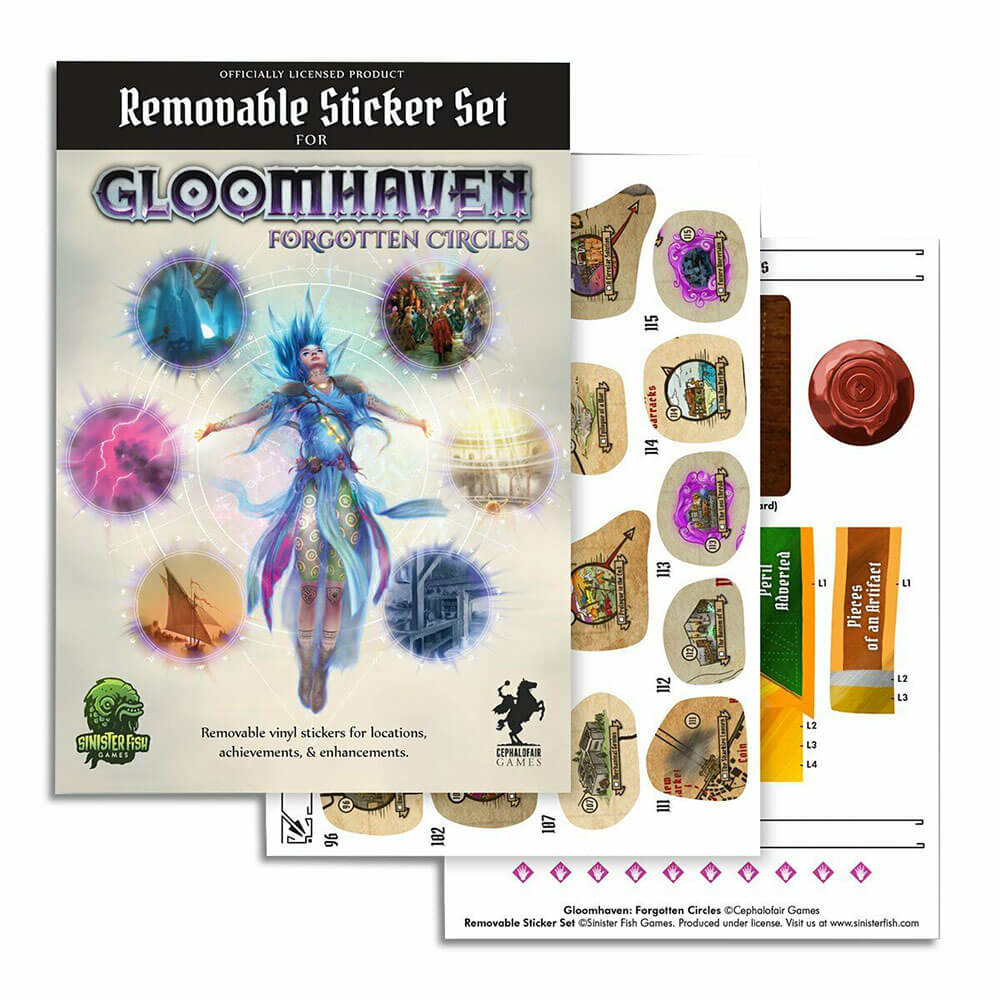
"Useful" does not have to mean solemn, beige or suspiciously similar to something from a hardware aisle. A game used during regular gatherings is useful. So is a playful kitchen accessory brought out whenever friends visit. Repeat use can come from a task, a ritual or an enjoyable social moment.
The key is to choose the moment first and the category second.
| Household moment | Details |
|---|---|
| Cooking or serving |
Signs to notice: They cook often, host meals or discuss their kitchen setup Sensible category direction: Compact utensils, serving accessories or drink-related items with a clear purpose Reason to pause: They are particular about materials, colours or kitchen equipment |
| Lounge or game night |
Signs to notice: Friends visit regularly, the household enjoys group activities or screens are not the only entertainment Sensible category direction: Family games and shared activities suited to the people likely to play Reason to pause: Nobody has the time, interest or suitable group for the activity |
| Desk, charging or daily organisation |
Signs to notice: They work from home, enjoy practical tech or have mentioned a specific inconvenience Sensible category direction: Electronics and gadgets with known compatibility and a clear use Reason to pause: You do not know their devices, connections or existing setup |
| Quiet downtime |
Signs to notice: They enjoy puzzles, collecting, reading or hands-on hobbies Sensible category direction: A compact hobby item, organiser or activity connected to a known interest Reason to pause: The hobby requires specialist knowledge you do not have |
| Moving and maintenance |
Signs to notice: They have mentioned small repairs, unpacking problems or missing tools Sensible category direction: A modest utility item that solves the named problem Reason to pause: The gift looks more like a list of chores than a celebration |
This approach also reveals category trade-offs. Kitchen gifts can be practical but taste-sensitive. Games can create memorable evenings but need willing participants. Gadgets can solve genuine problems but bring compatibility and duplication risk. Display pieces can feel highly personal, yet require much more certainty about interests and available space.
Follow the strongest evidence. If they host every fortnight, start with hosting. If their dining table is currently a home office, perhaps do not add a twelve-person party game and declare your work complete.
Apply the landing-place test to space, style and setup

Before buying, identify the gift's likely landing place. Not "somewhere in the kitchen". The kitchen drawer beside the utensils. The coffee table during game nights. The charging area near the desk. The shelf in the hobby room.
A precise landing place tells you whether the item's dimensions, appearance and frequency of use make sense. It also exposes gifts that are quietly asking the recipient to reorganise a cupboard, clear a shelf or negotiate with the rest of the household.
Use these five checks:
- Footprint: Does it need drawer, cupboard, bench, wall, floor or shelf space?
- Visibility: Will it be on permanent display, appear occasionally or stay stored between uses?
- Setup: Does it require assembly, mounting, an app, batteries, accessories or a compatible device?
- Ownership: Is it for one resident or everyone in the home?
- Care: Will it need refills, special cleaning, maintenance or ongoing storage?
The more visible an item is, the more important personal style becomes. A useful object stored in a drawer can tolerate some aesthetic uncertainty. A large object destined for the lounge room cannot. Décor is not a forbidden category; it is simply a permission-based one.
Setup deserves equal attention. A feature-rich gift is not automatically helpful if the recipient must buy extra parts, create an account or study a manual before using it. For electrical or connected items, confirm device compatibility, available space and whether the home already contains something serving the same purpose.
New homeowners may also be renovating or waiting for furniture. In that context, smaller gifts with flexible placement are usually easier to accommodate than objects that depend on a finished room.
Let relationship and budget set the scale

Budget comfort has two sides: what you can spend comfortably and what the recipient can accept without the gesture feeling out of proportion. The size of the move does not dictate the size of your purchase.
For a colleague, neighbour or newer friend, a modest and low-commitment gift can be entirely appropriate. Concentrate on something compact, shareable or useful during casual hosting. If you are keeping the spend restrained, browsing gifts under $30 can help establish a sensible range without treating price as the only decision.
For close friends and family, deeper knowledge can justify a more personal choice. You may know which routines matter, which colours dominate the kitchen or whether their idea of a good Friday night involves puzzles, cooking, gaming or avoiding all three. That knowledge is more valuable than simply increasing the budget.
Group gifts can work when the household has identified a larger need, but coordination is essential. Confirm that the item is wanted, appoint one person to manage the purchase and avoid several contributors buying competing versions. A surprise is less delightful when three guests independently arrive with the same obvious household item.
Keep the occasion in perspective. A useful small gift with a clear purpose can show more attention than a costly object chosen because it looked suitably substantial.
Let the household set the practical-playful dial
Practical and playful are not opposing camps. The strongest choice may be a practical object with personality, or an entertaining gift that becomes part of a recurring household ritual. The correct balance depends on what the recipients enjoy and how confidently you know them.
Use these context clues to set the dial:
- Frequent hosts: Consider items that support serving, drinks, conversation or group entertainment. Avoid specialist equipment unless they have mentioned wanting it.
- A compact household: Prioritise small-footprint items, multi-use objects and activities that pack away easily. Large decorative gestures can wait until invited.
- A busy family: Look for something with an obvious use and minimal setup. Shared activities need to suit the likely ages and interests of the people involved.
- A solo homeowner: Choose for that person's routines rather than assuming every housewarming present must serve a crowd.
- A keen hobbyist: Specificity matters. A broad reference to their interest is not the same as understanding what they use, collect or have room to store.
- A tech-friendly recipient: A gadget can be a strong choice when you know the problem, device and connection involved. "They like technology" is not enough information on its own.
Purely practical gifts have a clear job, but they can feel impersonal or duplicate something the household owns. Playful gifts create a stronger unwrapping moment, but their appeal should continue after the first laugh. Sentimental or display-led gifts can be memorable, although taste and space risks are higher.
When comparing category trade-offs, ask which type of value matters here: solving a recurring irritation, supporting a routine, creating time together or reflecting a very specific interest. That answer is more useful than trying to find an object that is simultaneously practical, hilarious, decorative, sentimental and able to make coffee. Such an object may also require its own cupboard.
Avoid the mistakes that turn gifts into household admin
The most common housewarming missteps are not caused by bad intentions. They happen when the giver imagines the presentation but not the ownership experience.
Buying an obvious household staple without checking increases the chance of duplication. Common categories are often the first ones other guests consider too. Ask a mutual friend, coordinate with the group or choose a category in which a second item would still have a distinct use.
Treating personal taste as shared taste can be awkward in couples, families and share houses. If the item will be visible in a common room, consider whether every resident needs to live with the choice. One person's charming statement piece can become another person's mysterious shelf tenant.
Giving an unsolicited self-improvement project is another trap. Organisation tools, cleaning equipment and kitchen gadgets may be useful when they answer an expressed need. Without that context, they can sound like feedback wearing a bow.
Ignoring hidden obligations creates work after the party. Check for assembly, refills, subscriptions, specialist care, mounting requirements and extra accessories. None of these automatically disqualifies a gift, but the recipient should be likely to accept the commitment.
Choosing novelty with no second act puts all the value into the moment of opening. A funny gift earns its space more convincingly when it also starts conversations, supports an activity or performs a small practical job.
Assuming bigger feels more generous overlooks the realities of cupboards, benches and shared rooms. When uncertainty remains, reduce the footprint and the commitment - not the thought.
Run the final field test before buying

Complete this sentence:
> This gift will live ______, be used when ______, and suit ______ because ______.
A strong option produces a specific answer. "It will live with their games, come out when friends visit and suit the household because they host monthly" is actionable. "It will go somewhere in the house because everyone likes useful things" is a sign to keep browsing.
Before committing, make sure the gift clears these final points:
- The intended recipient is clear.
- There is a believable first use.
- Its size and storage needs suit the home.
- You have considered duplication.
- Its setup and maintenance are reasonable for the recipient.
- Its practical-playful balance matches their personality.
- The spend feels comfortable for the relationship and occasion.
Once you know the likely use, browsing becomes much less chaotic. The LatestBuy gift guide can help you compare categories, while top-selling gift ideas provide another route when you want broadly appealing inspiration. If your clues are still scattered across recipient, occasion and budget, start at the gift discovery hub and browse with the sentence above in mind.
The aim is not to predict every detail of somebody else's home. It is to choose one gift with a clear role in it - and avoid creating an object they must politely shuffle from room to room forever.